Last reviewed: 17 November 2026 · UK information for adults aged 18 and over.
Trying to understand the difference between a refillable pod kit, a vape pen and a larger mod? The names can be confusing, especially when two devices look similar but use different pods, coils and charging systems. This UK beginner’s guide explains the practical differences, the rules that apply in 2026 and the safety questions worth asking.
Important: Vaping is not risk-free. It is not recommended for children, young people or people who do not smoke. The NHS discusses vaping as one possible option for adults who already smoke and are trying to stop. See the NHS guidance on vaping to quit smoking for health information rather than relying on product marketing.
Quick answer: what matters when comparing vape kits?
Instead of starting with brand names or claimed puff counts, understand these five points:
- Device format: pod system, pen-style device or adjustable mod.
- Consumables: whether the pod or tank is refillable, replaceable, and compatible with parts sold separately.
- Power and charging: rechargeable battery, manufacturer-approved charging equipment and clear instructions.
- Maintenance: how often pods or coils need replacing and how to identify leaks or damage.
- Compliance: whether the device meets current UK rules, including the ban on single-use vapes.
Vape kit types explained: pods, pens and mods
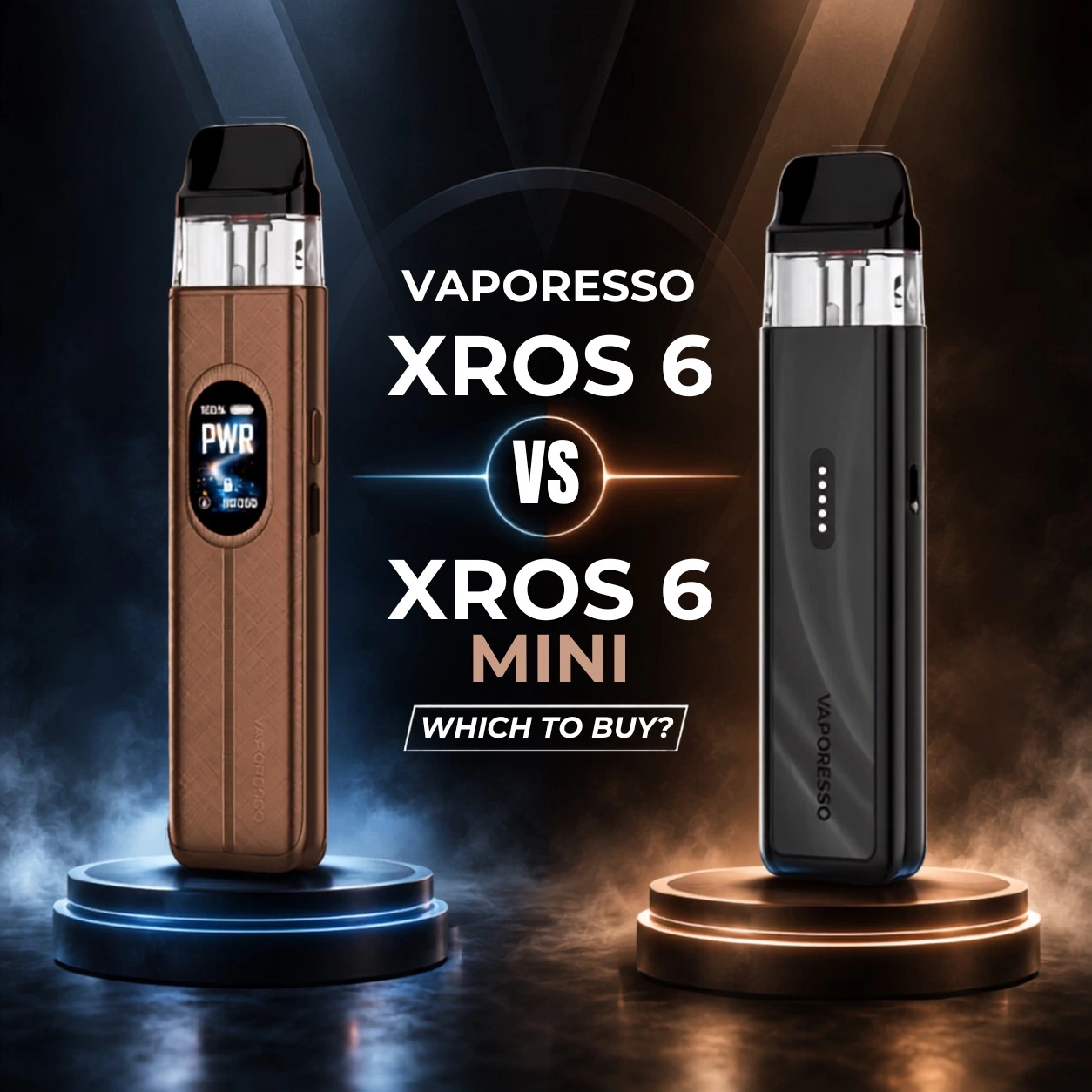
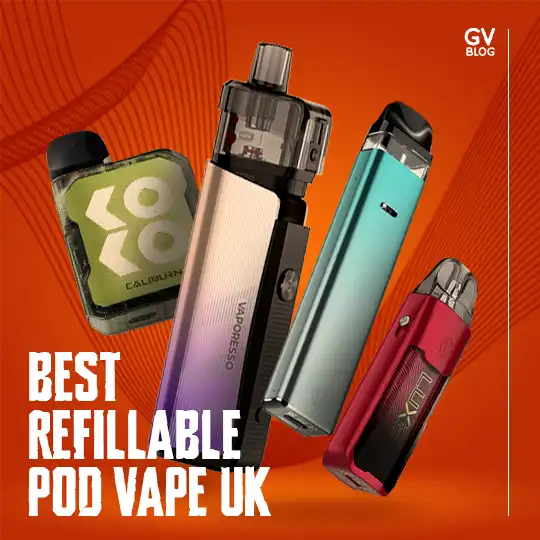
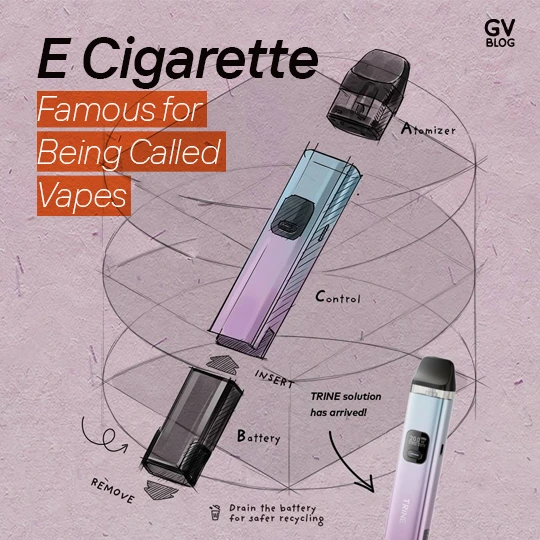
“Vape kit” is a broad label. The different styles mainly describe a device’s shape, operating controls and method of holding e-liquid.
| Device type | How it works | Practical consideration |
|---|---|---|
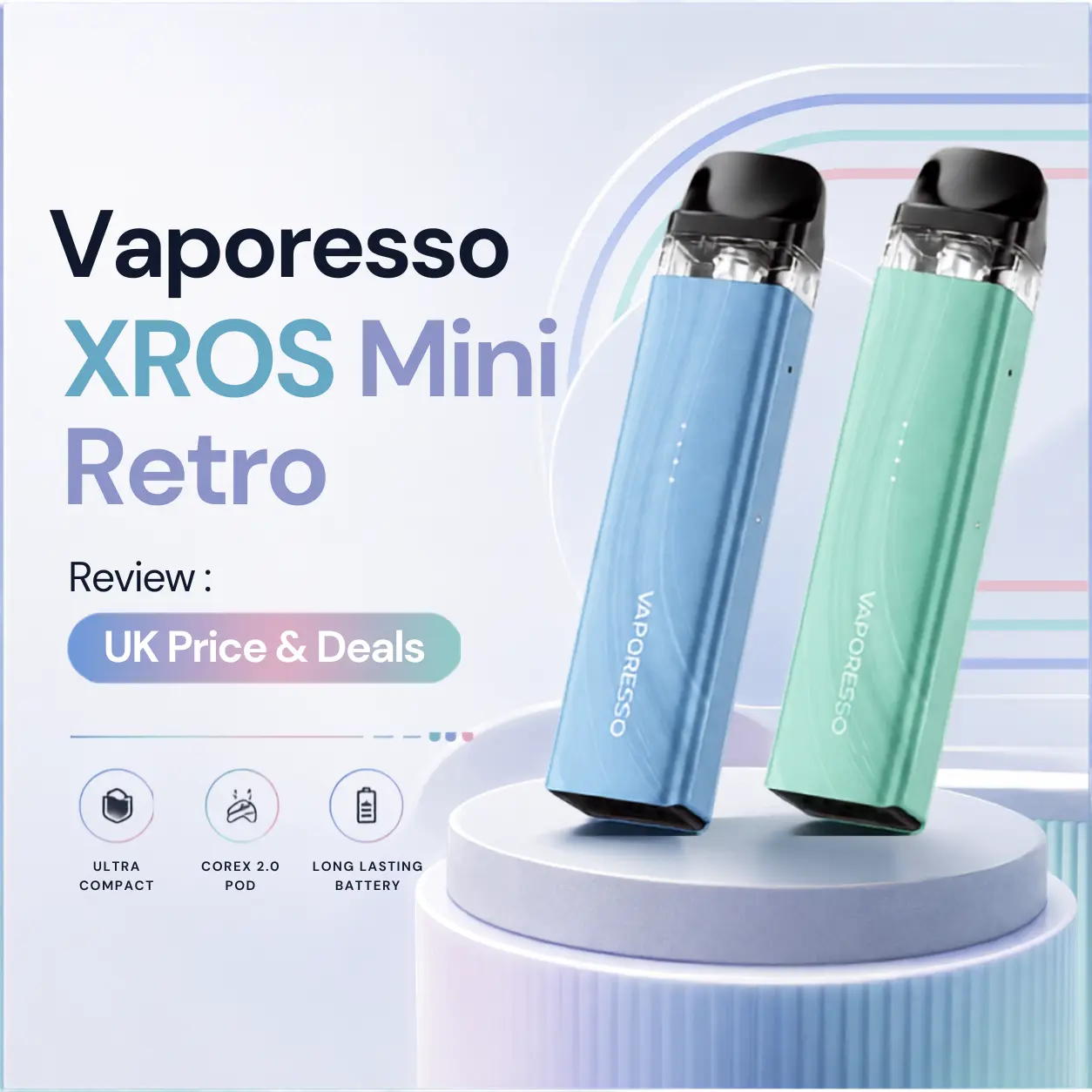
| Refillable pod system | A rechargeable body uses a detachable pod that can be filled with compatible e-liquid. | Check pod availability, fill instructions, leak prevention and replacement intervals. |
| Replaceable prefilled-pod system | A rechargeable body takes separately available, replaceable filled pods. | Check the exact pod compatibility and whether the complete device meets UK reuse rules. |
| Vape pen | A slim device typically combines a battery with a small pod or tank. | Check which components can be replaced, how it charges and how the tank is maintained. |
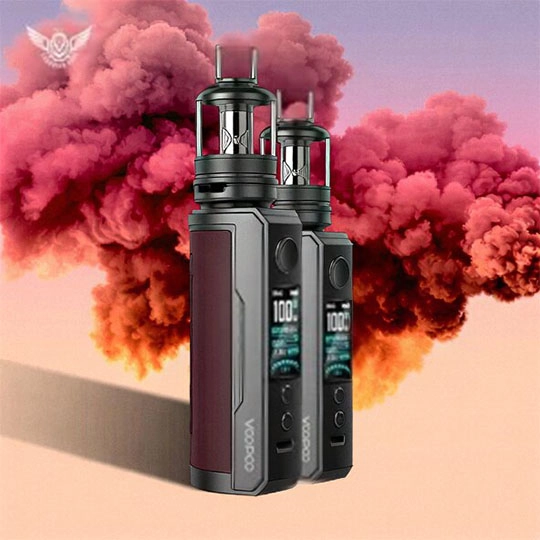
| Adjustable mod or tank kit | A larger device may have adjustable power settings and a separate tank. | More settings and components mean more attention to coil, battery and e-liquid compatibility. |
Appearance alone does not establish whether a device is compliant or suitable for a particular user. For a deeper explanation of how pod designs work, read Guardian Vape’s existing vape pod system guide.
What changed in the UK? The single-use vape ban
Since 1 June 2025, selling or supplying single-use vapes has been prohibited across the UK. A device is not automatically classed as reusable just because it has a charging port. Government guidance explains the requirements around recharging, refilling or replacing containers, and replacing coils or coil-containing pods where relevant.
For the full criteria, consult the UK government’s single-use vapes guidance. If a product’s replacement parts are unclear or impossible to obtain, that is a reason to verify its compliance before relying on the packaging description.
Five practical questions to ask about any device
1. Is the pod or tank refillable or replaceable?
Look for instructions showing how the container is changed or refilled. A refillable pod is not the same as a replaceable prefilled pod: one takes bottled liquid, while the other is exchanged for another compatible pod. The exact method affects maintenance and waste.
2. Are replacement components identifiable?
Pods and heating coils are not necessarily interchangeable across product families. Even devices from the same manufacturer can use different generations of consumables. Confirm model names, compatibility and the replacement method in the manufacturer’s documentation.
3. How does charging work?
Read the charging specifications and supplied instructions. Do not assume that every USB charger or cable is suitable. Stop using equipment with a damaged battery, swollen casing, unusual heat or damaged charging port. The Office for Product Safety and Standards provides advice on safer charging and disposal.
4. What level of upkeep is involved?
Check the instructions for cleaning contacts, replacing worn pods or coils, dealing with condensation and storing liquid safely. A leaking cartridge, persistent burnt taste or damaged component is a reason to stop and consult the manufacturer’s instructions, rather than improvise a repair.
5. Is there clear, reliable product information?
Look for model identification, manufacturer details, instructions, appropriate warnings and compatibility information. Avoid making decisions solely from puff-count claims or marketing labels.
Understanding e-liquid, nicotine and compatibility
E-liquids differ in ingredients, nicotine content and the balance of propylene glycol (PG) and vegetable glycerine (VG). A device may specify compatible liquid types and coil or pod resistance ranges. Follow the exact device instructions rather than assuming any liquid works with any hardware.
Nicotine is addictive. For adult smokers who are considering vaping as part of stopping smoking, the NHS advises that nicotine strength depends on smoking habits and that finding an appropriate option may take time. A stop-smoking adviser or pharmacist can help discuss available support, including licensed nicotine replacement therapies. Do not start using nicotine if you do not already smoke.
For background on terminology, Guardian Vape also has a PG/VG ratio explainer. Health questions should be checked against trusted public-health guidance, not product descriptions.
Battery safety, storage and recycling
- Charge only according to the manufacturer’s instructions, and disconnect when charging is complete.
- Do not charge damaged devices or leave batteries close to flammable materials.
- Keep devices and e-liquids securely away from children and pets.
- Do not put vape batteries or complete devices into household rubbish or ordinary recycling bins.
- Use suitable retailer take-back or electrical-waste collection routes for devices and components.
The London Fire Brigade explains battery-fire precautions, while government guidance covers business responsibilities for collecting vape waste.
UK vape rules to know in November 2026
- Under-18 sales: vaping products must not be sold to people under 18.
- Single-use products: the UK ban took effect on 1 June 2025.
- Vaping Products Duty: since 1 October 2026, vaping liquid manufactured in or imported into the UK has been subject to a flat-rate duty of £2.20 per 10ml, subject to the detailed rules and exemptions.
- Advertising: UK rules restrict promotion of unlicensed nicotine-containing e-cigarettes; factual information and promotional claims are not treated the same way.
These rules can change. For primary sources see GOV.UK on the single-use ban, HMRC on Vaping Products Duty, and the Advertising Standards Authority’s guidance.
A simple device-information checklist
Before relying on any product listing, make sure you can answer:
- What exact model is it, and where are the official instructions?
- Is it reusable under current UK rules?
- Which pods, coils or tanks are compatible?
- How does it charge safely?
- How should worn parts and batteries be recycled?
- Where can an adult who smokes find impartial advice about stopping smoking?
Frequently asked questions
Can single-use vapes be sold in the UK in 2026?
No. The ban on selling or supplying single-use vapes began on 1 June 2025. Rechargeability alone does not necessarily make a device compliant.
What is the difference between a refillable pod and a prefilled pod?
A refillable pod is designed to be filled again with compatible e-liquid. A replaceable prefilled pod is supplied containing liquid and is exchanged when it is spent. Both rely on compatibility with the rechargeable device.
Do all vape kits have replaceable coils?
No. Some designs use replaceable coils, while others have a coil built into a replaceable pod. Check the manufacturer’s instructions and current UK requirements.
Is vaping completely safe?
No. Vaping is not risk-free, and nicotine is addictive. The NHS advises that children, young people and non-smokers should not vape. Adults who smoke can discuss evidence-based stopping-smoking options with an NHS service or pharmacist.
Where should old vape batteries go?
Use a suitable electrical-waste or retailer take-back route; never place them in general household waste or normal recycling.
Trusted sources and editorial note
This guide was prepared for Guardian Vape as general educational information, using NHS, GOV.UK, UK fire-safety and Advertising Standards Authority resources. It is not medical advice, a substitute for product instructions or a recommendation for non-smokers to start vaping. Information checked: 17 November 2026.